Creating an app using AI agents
A real-world case study on AI-powered product development
ROLE
AI Product Builder
TIME LINE
Feb - March 2026
Tools stack
Figma, Cursor, Claude, Vercel, Supabase
Some context
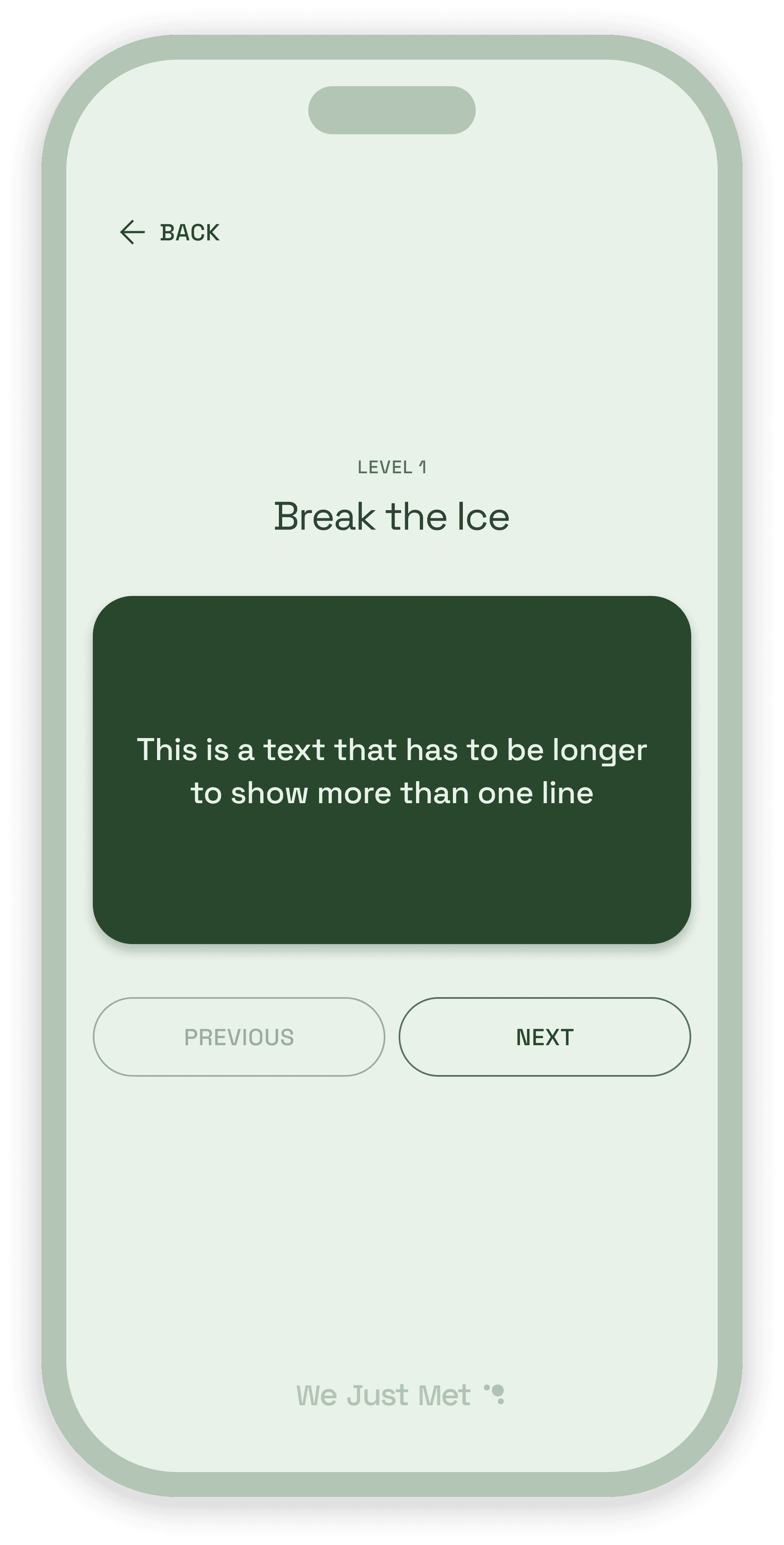
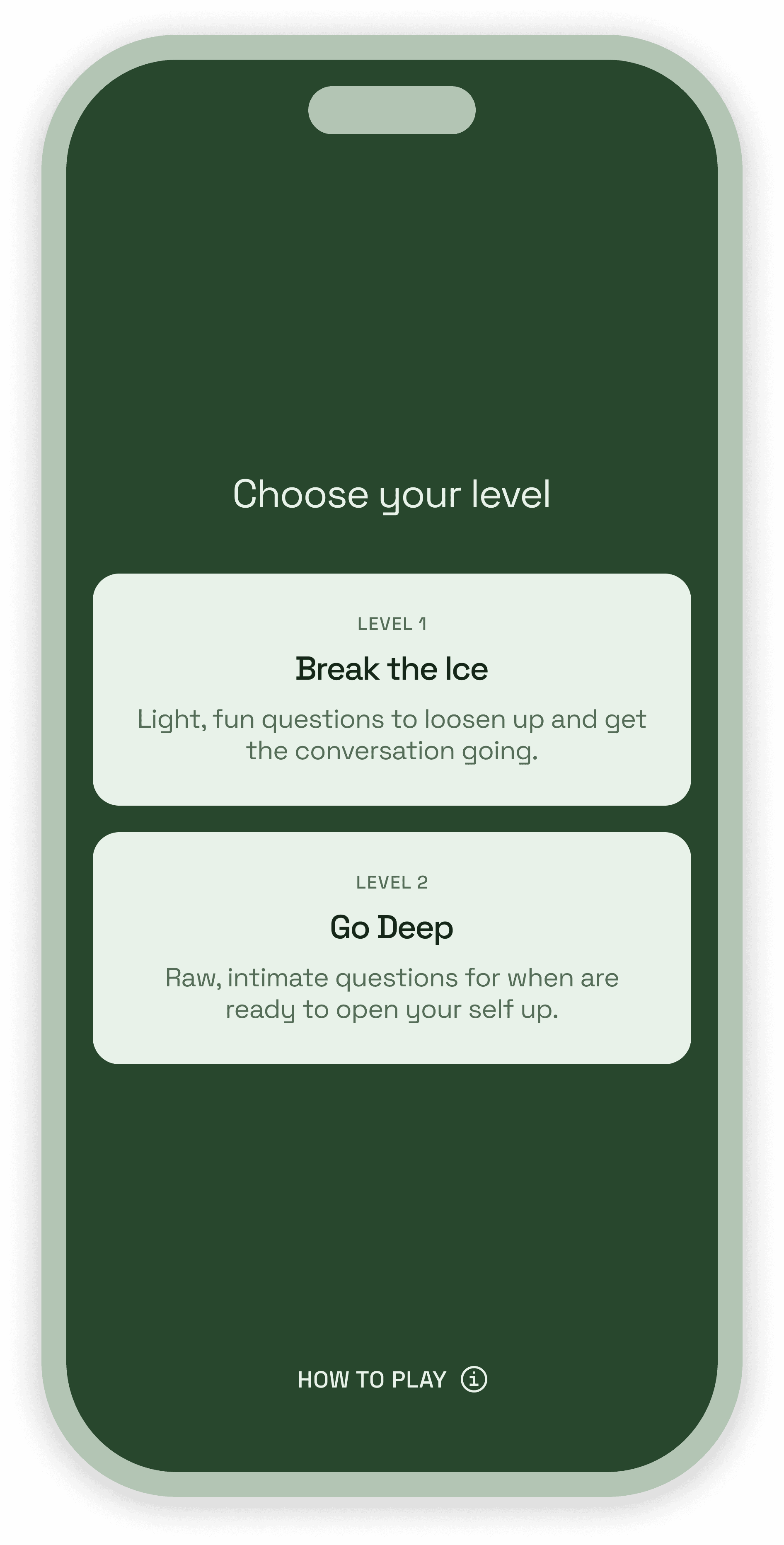
WeJustMet is a questions-based card game app designed for travelers who want to go beyond the usual "where are you from?" conversation. The app has two levels. Break the Ice, with light and fun questions to get the conversation going, and Go Deep, with more intimate questions for when you're ready to truly open up.
The idea came from a personal need. In the beginning, the concept was simple: a tool to have deeper conversations with the people already in my circle. But as the idea evolved, so did the vision. It iterated into something more specific: a game designed to help travelers truly connect with whoever they meet along the way, whether they've known each other for years or just a few minutes.
Opportunities detected
First web-app prototype
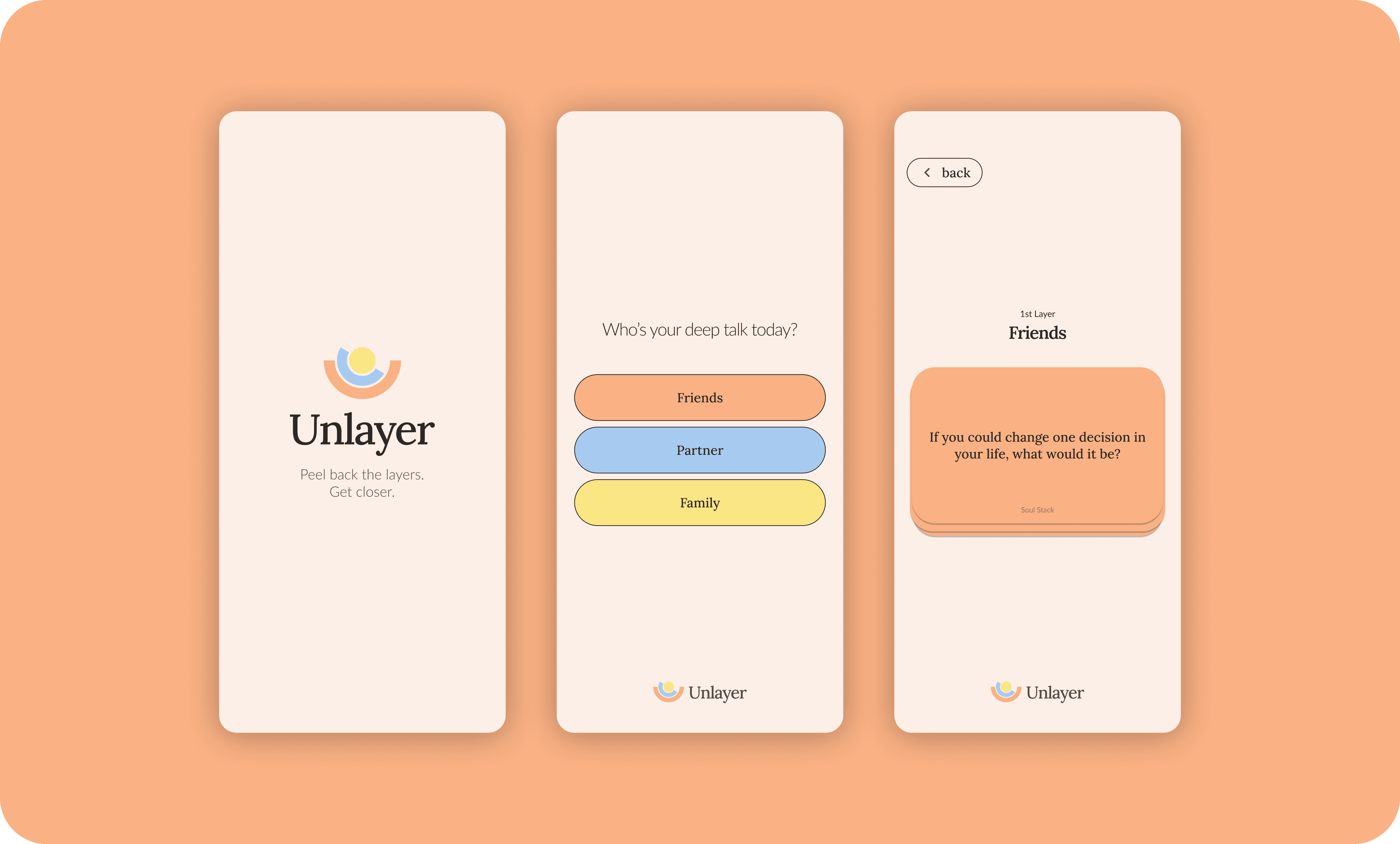
Before investing time in a full mobile app, I built a fast web-app prototype using Figma for the design and Builder.io to bring it to life, hosted on Vercel. The goal was simple: get something real in people's hands as quickly as possible and start gathering insights.
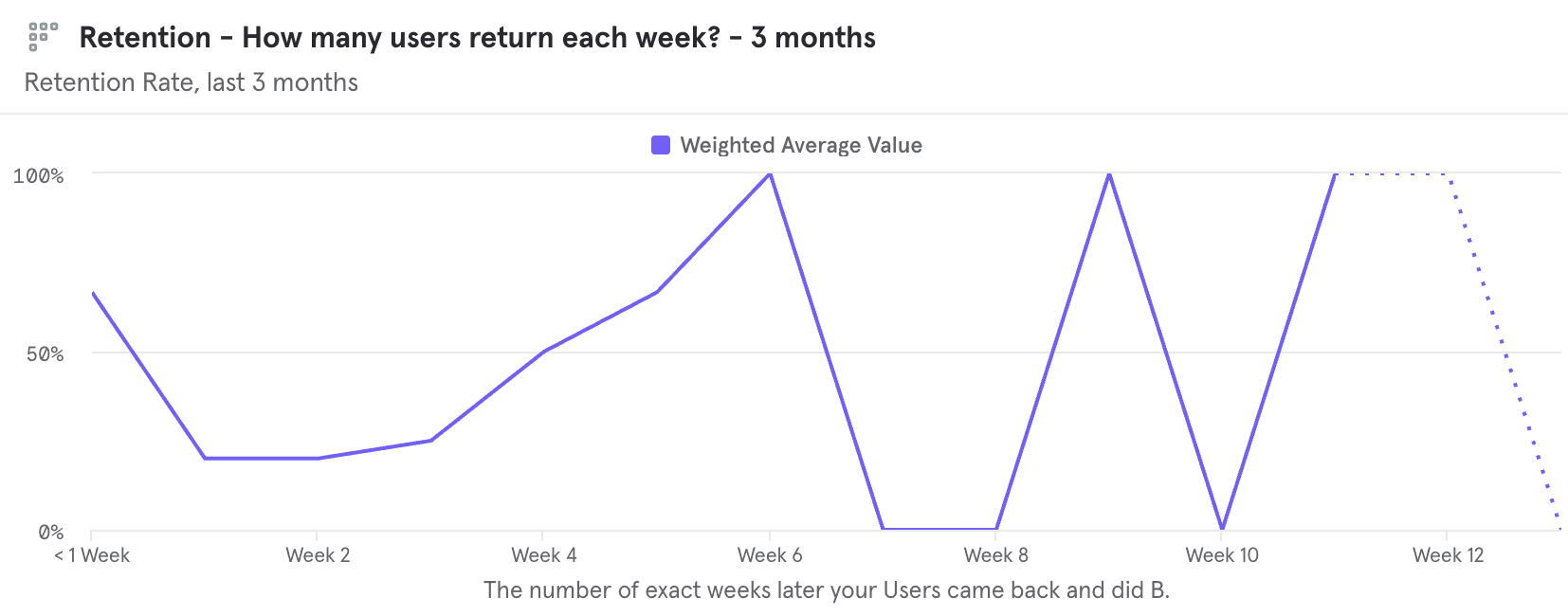
I integrated Mixpanel to track user interactions and gather data on how people were actually using the prototype.
Iterating
Interviewing user and different stakeholders, allowed us to find out opportunities where the information architecture could help.
The customer segment was too wide
Trying to cover three customer segments was too broad. Each of them had different needs and behaviors, making it impossible to design a focused experience for all of them at once.
Repositioned for travelers
The product, messaging, and question bank were all refocused around the traveler use case, both for solo travelers meeting new people and groups traveling together.
Passing the phone around breaks the flow
Some players were reluctant to handle someone else's phone, and the constant lock screen interruptions killed the momentum of the conversation.
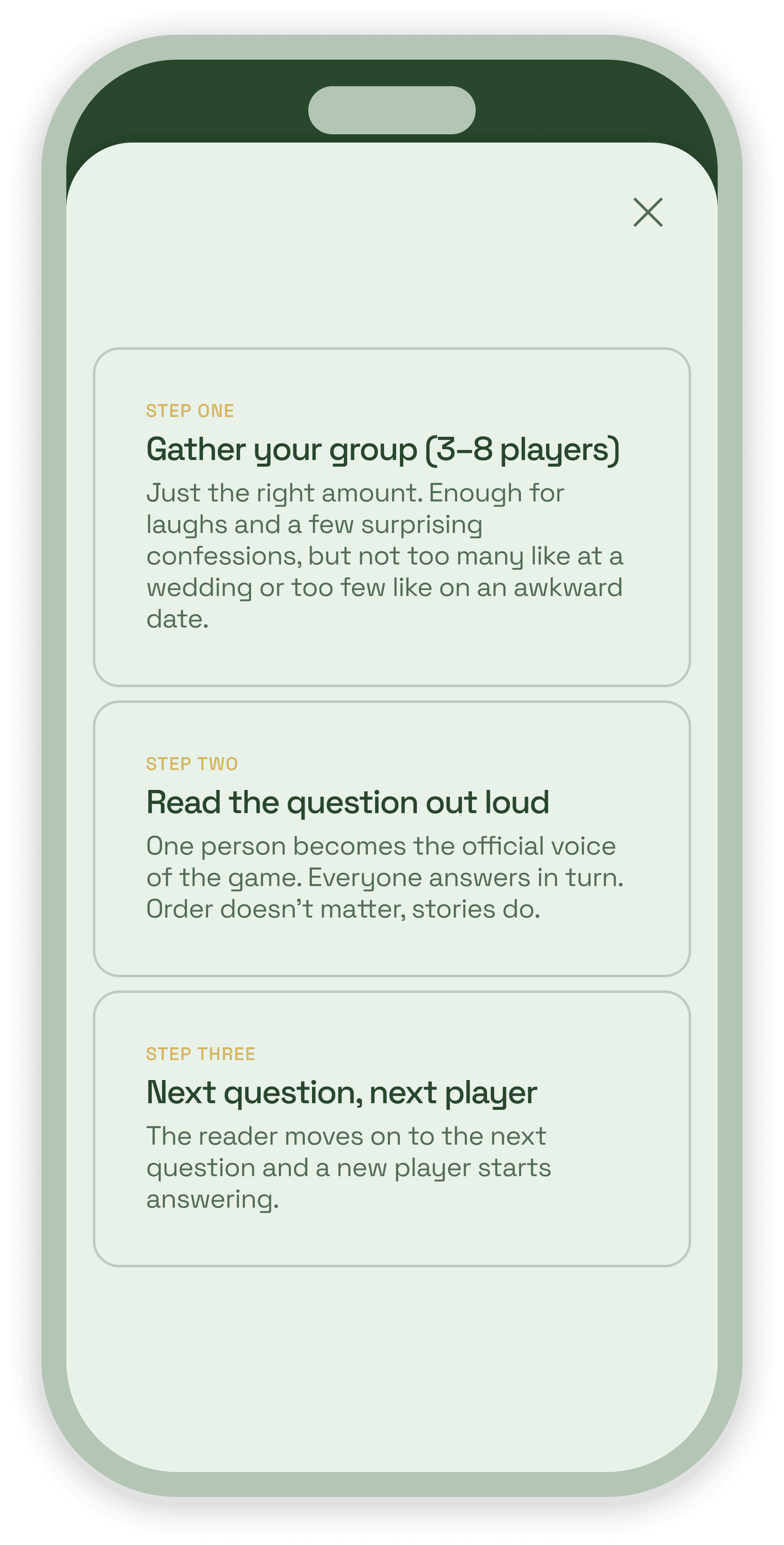
One person hosts the game
The dynamic was redesigned so one person holds the device and reads the questions out loud, removing the need to pass the phone around entirely.
The app needs to work offline
The original version required a constant internet connection to fetch questions. And you don't always have signar when traveling.
Local question in cache
Questions are now stored locally on the device using Supabase caching, so the app works fully offline after the first launch.
Three levels were too much
Three levels felt too similar to each other. Reducing it to two created a much cleaner experience with a clear distinction between light and deep.
Simplified to two levels
The three levels were reduced to two: Break the Ice for light conversation starters, and Go Deep for more intimate questions.